Noise inside industrial facilities is a technical indicator of inefficiency, pressure instability, and excessive energy loss. When pressure drops inside your compressed air pipework, the system compensates by accelerating airflow, […]
Condensation occurs when moisture in compressed air cools and turns into liquid after compression. When left unchecked, it travels through the system and can damage tools, machinery, and air-dependent equipment. […]
An efficient industrial air network is about ensuring steady pressure, minimal energy loss and reliable performance from the first compressor discharge to the tool on the line. With well-designed compressed […]
The materials used in coolant disposal pipework are the main factor. So, industries need to understand what material- HDPE, Aluminium, or Stainless Steel (316L) works best for their conditions. Airquip […]
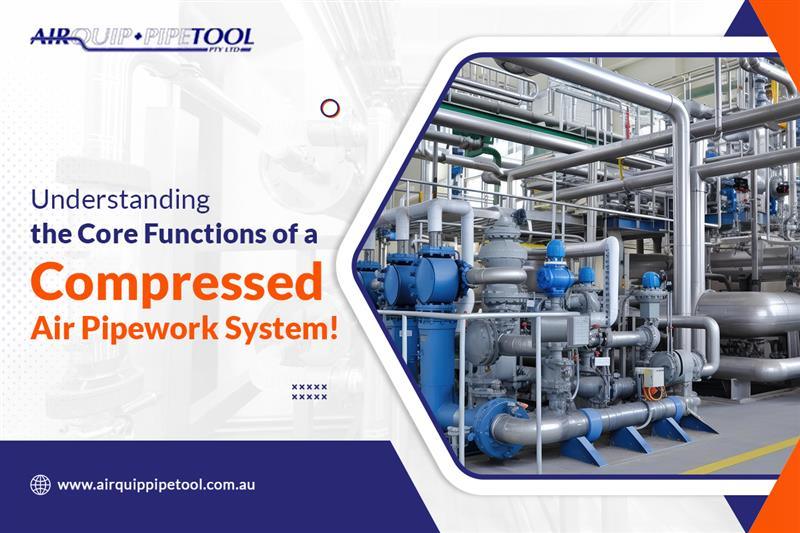
The main gases in compressed air are nitrogen (78%) and oxygen (21%). Compressed air molecules are small and possess kinetic energy, enabling them to travel at a higher speed. Also, […]
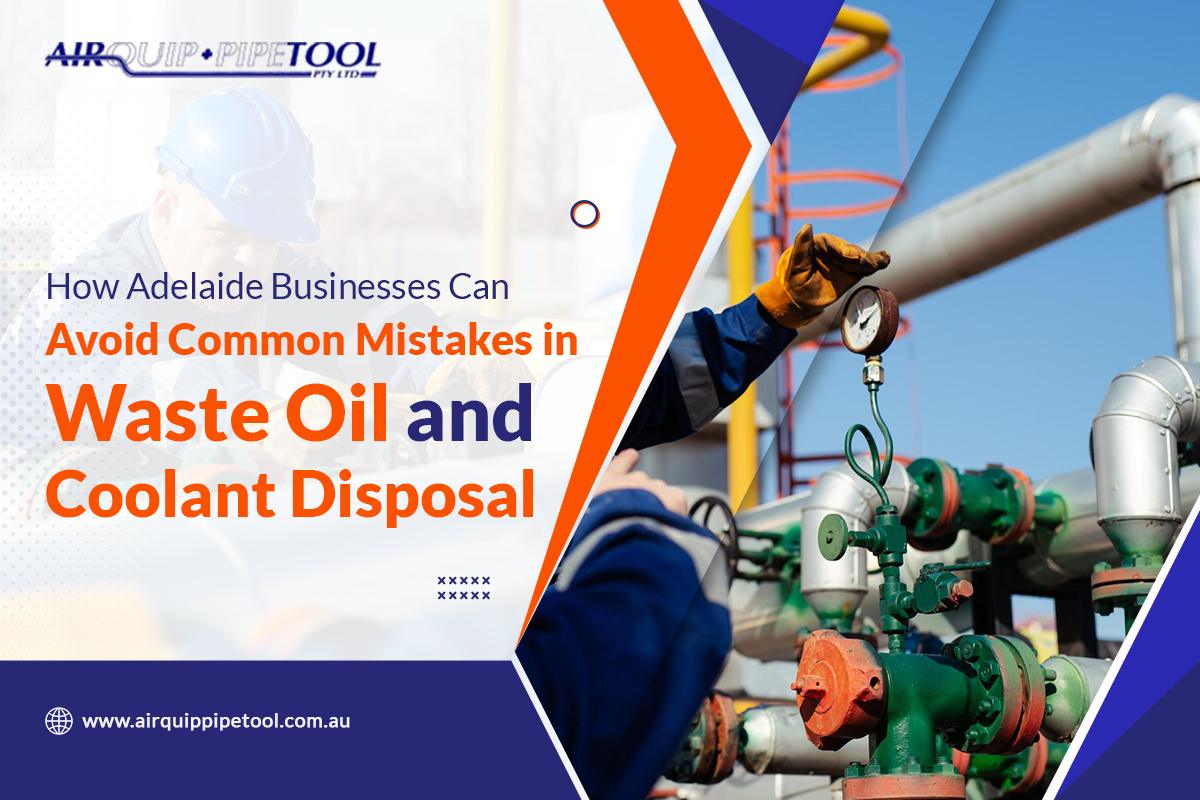
Managing industrial fluids like waste oil, coolant, and anti-freeze isn’t just about ticking a box for compliance—it’s about protecting your equipment, your team, and the environment. For businesses in Adelaide […]
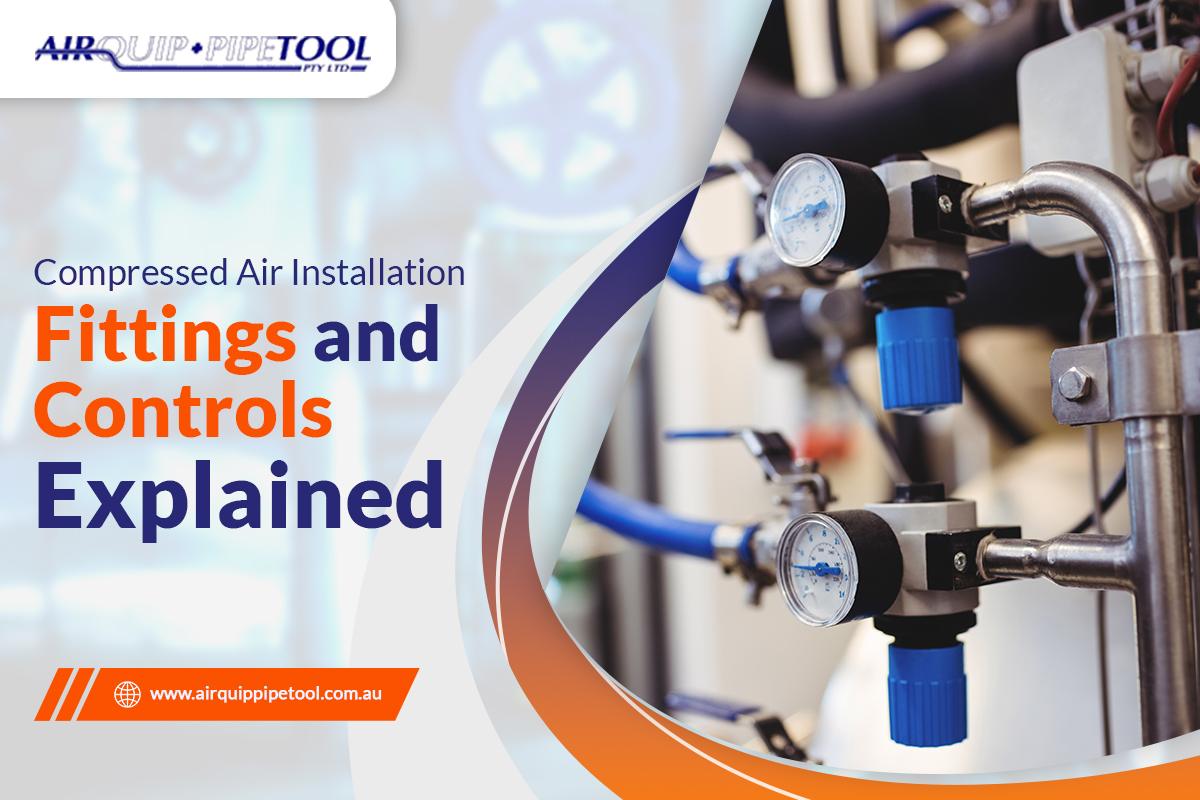
Compressed air fittings comprise parts such as elbows, tees, and connectors that securely connect pipes, tubes, and hoses in a pneumatic network. On the other hand, compressed air pipework controllers […]
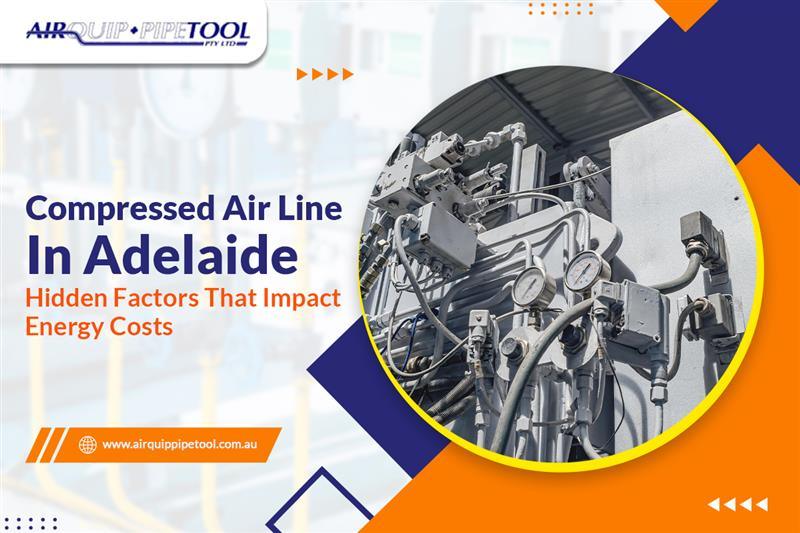
Adelaide’s industrial facilities and workshops consider compressed air as a “fourth utility” after water, electricity, and gas. Compressed air is one of the most expensive utilities. What many industries overlook […]
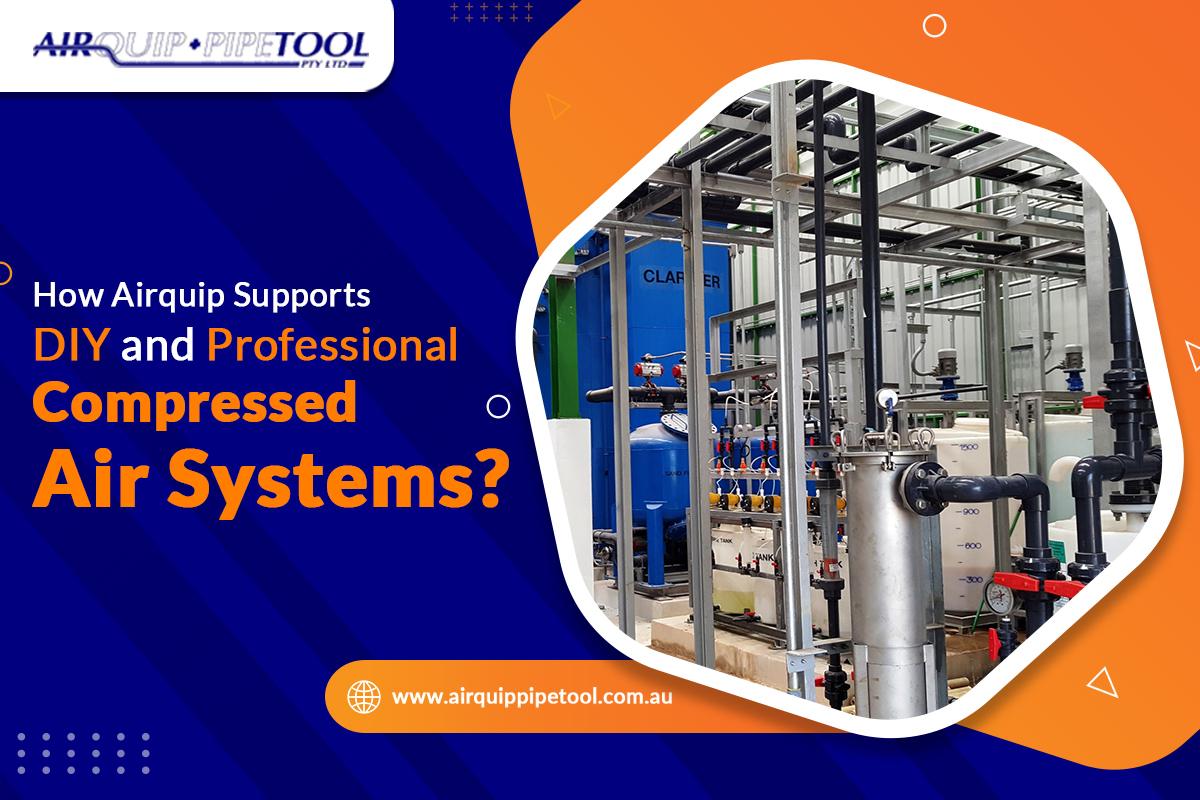
Running any efficient workshop or industrial site needs powered tools to keep the production line moving. Here, the right system design is at the heart of operations. Here, many businesses […]
Copyright © 2026 airquippipetool | All rights reserved
